
Transfer pricing documentation is a big part of how multinational companies manage their finances. It’s the detailed record-keeping that proves their intercompany transactions follow transfer pricing rules. If a company doesn’t follow the rules, it risks penalties. That’s why it’s important to understand what good transfer pricing documentation looks like. Staying on top of transfer pricing documentation requirements is key for tax compliance and audit defense.
This guide breaks down the key parts of transfer pricing documentation, best practices for staying compliant, and how to manage it all without missing anything important. Whether you’re just starting or trying to improve what you already have, this will help.
What Is Transfer Pricing Documentation?
Transfer pricing documentation is a full set of records that multinational enterprises (MNEs) use to show that their intercompany transactions are done at arm’s length.It also helps demonstrate compliance with OECD guidelines and local transfer pricing regulations.
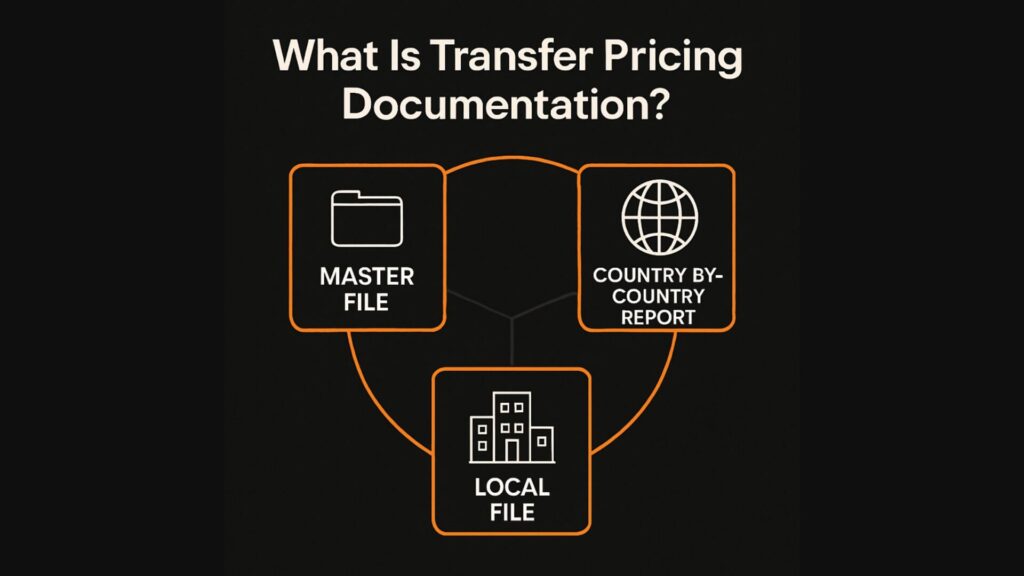
It usually includes:
Master File
Overview of the MNE group’s global operations, structure, intangible assets, finances, and transfer pricing policies.
Local File
Details about the local entity’s intercompany transactions, including the chosen transfer pricing method, comparability analysis, and supporting documents.
Country-by-Country Report (CbCR)
Summarizes the MNE’s global income, taxes paid, and economic activity to help tax authorities assess risk.
This report is crucial for managing transfer pricing income tax exposure and global profit allocation.
Why Transfer Pricing Documentation Matters
Transfer pricing documentation isn’t just a box to tick; it protects your business and shows that you’re playing by the rules.
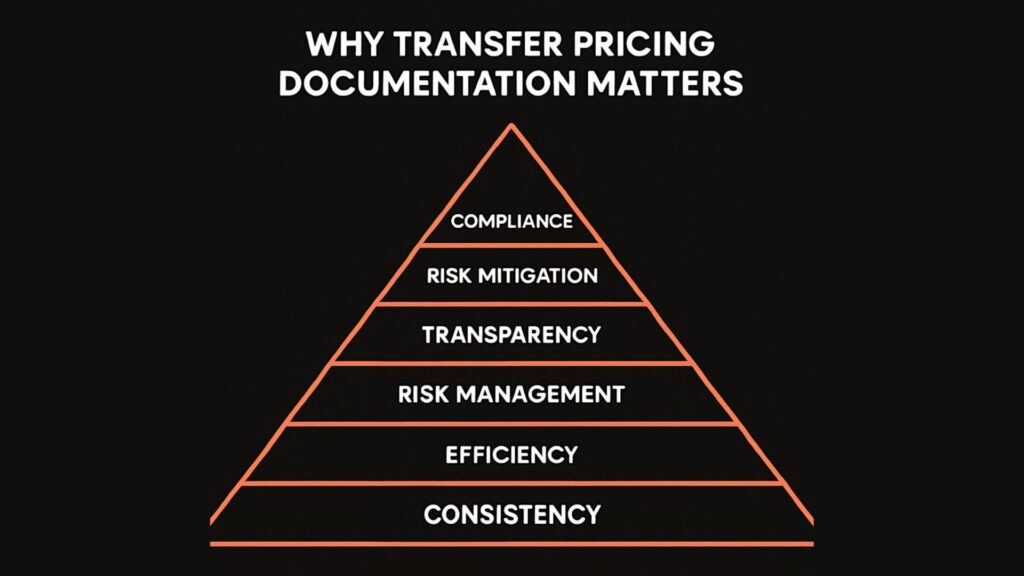
1. Compliance with Regulations
Tax authorities have strict rules to stop base erosion and profit shifting. Proper documentation shows that your pricing follows the arm’s length principle and meets regulatory standards.
2. Risk Mitigation
With more audits happening, good documentation can protect you from penalties and disputes. It gives you a strong defense if tax authorities start asking questions.
3. Transparency and Accountability
Clear documentation helps explain your pricing logic and the business reasons behind transactions. It also helps build trust with tax authorities.
4. Better Risk Management
When you document properly, you understand your risks better. You can see where issues might pop up and deal with them before they become a problem.
5. Efficient Internal Processes
Creating documentation forces you to look closely at your business. This often uncovers ways to improve operations or find tax savings.
6. International Consistency
If you’re in multiple countries, documentation helps you apply the same pricing logic everywhere.
This aligns with transfer pricing applicability standards and reduces inconsistency across jurisdictions.
Key Components of Transfer Pricing Documentation
Most documentation includes several parts. While rules may vary by country, here’s what’s usually required:
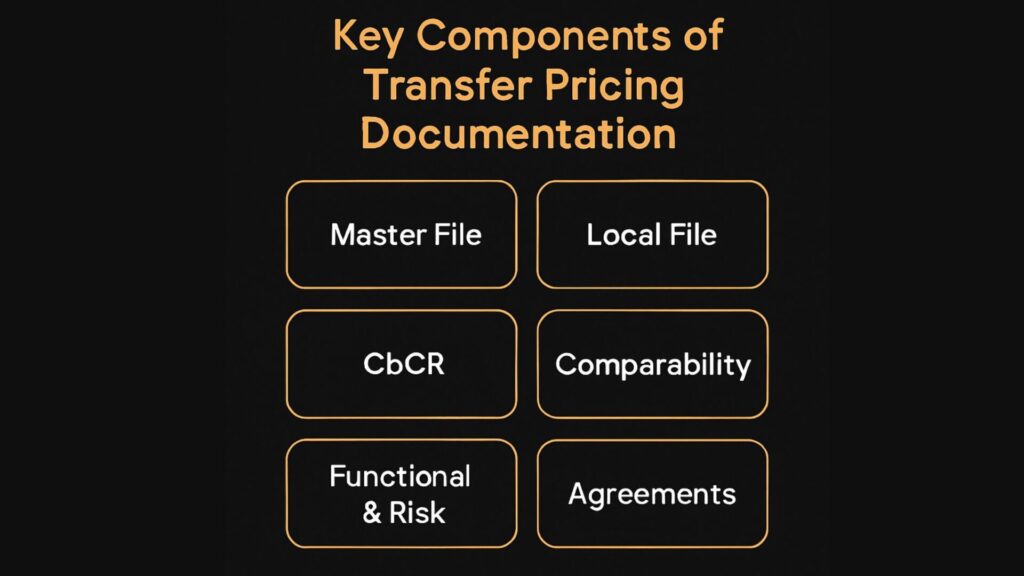
Master File
Gives a top-level view of your business. Includes:
- Company structure
- Business activities
- Intangible assets
- Financials and tax details
- Group-wide transfer pricing policies
It reflects your business-wide transfer pricing objectives and global financial documentation.
Local File
Focuses on the details of transactions in one country. It includes:
- Description of specific transactions
- Method selection and application
- Comparables used
- Arm’s length analysis
Country-by-Country Report (CbCR)
Provides a big-picture view of global income, taxes, and activity. Includes:
- Revenue, profit, and tax by country
- Number of employees
- Assets and business functions
Functional and Risk Analysis
Covers the roles and responsibilities of each company in the group:
- What each entity does
- What risks they take
- What assets they use
Helps ensure accurate profit allocation across controlled transactions.
Comparability Analysis
Compares related-party transactions with independent third-party ones:
- Finds comparable companies
- Adjusts for differences
- Supports your pricing method
Intercompany Agreements
These contracts define how related companies work together:
- Terms and pricing
- Should match what’s in the Master File and Local File
- Proves the deals are arm’s length
Supporting Documentation
Extra evidence like:
- Financial statements
- Industry reports
- Market research
- Anything that backs up your pricing
Solid supporting documentation strengthens your audit defense and shows regulatory intent.
Tips for Ensuring Compliance
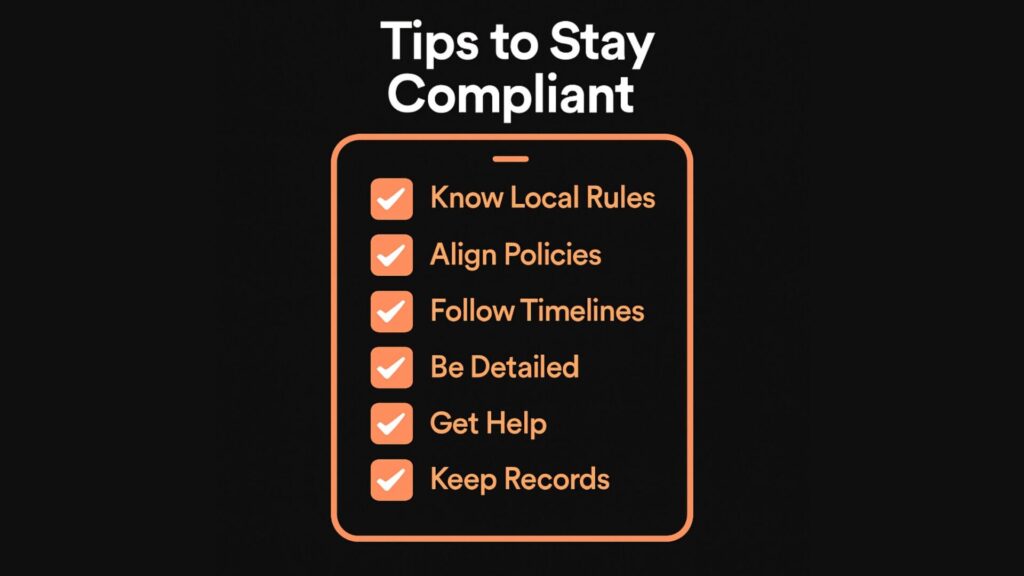
Transfer pricing documentation can get complicated fast. Here’s how to stay on top of it:
Understand Local Rules
Know what each country requires. Rules and documentation thresholds vary. Keep up with changes.
Keep It Consistent
Align your documentation and pricing policies across all countries. That helps avoid red flags.
Stick to Timelines
Don’t wait until the end of the year. Prepare documents as transactions happen.
Be Detailed
Provide full analysis and supporting data. Explain your methods clearly.
Update Regularly
Review your documents when business changes like a new product, structure, or pricing shift.
Get Expert Help
Transfer pricing rules can get tricky. Our experts make it simple.
Talk to us today and keep your documentation audit-ready.
Document Policies Clearly
Explain your pricing methods, profit allocation approach, and benchmarks.
Keep Intercompany Agreements Current
Make sure your contracts match your actual transactions and any policy updates.
Keep Records Safe
Hold onto everything. You’ll need it for audits, disputes, or questions from tax authorities.
Stay Informed
Follow updates to OECD guidelines and local laws. Refresh your documents as needed.
Final Thoughts
Transfer pricing documentation isn’t just paperwork. It’s your shield against audits, fines, and disputes.
When done right, it builds trust and shows your business is responsible and compliant.
Use this guide to make sure your documentation is solid from Master Files and Local Files to comparability analysis and intercompany agreements. Stay consistent, stay current, and don’t take shortcuts.
Stop guessing your prices. Plan smart.
Faqs
1. What is transfer pricing documentation and why is it needed?
Transfer pricing documentation is the paperwork multinational enterprises (MNEs) create to show that their intercompany transactions follow the arm’s length principle. It proves you’re setting prices fairly between related parties. This helps avoid penalties, supports tax compliance, and keeps you ready for audits.
2. What are the key components of transfer pricing documentation?
The three main parts are the Master File, the Local File, and the Country-by-Country Report (CbCR). These cover your global operations, local intercompany transactions, and financial data across countries. They help tax authorities check if your pricing is in line with transfer pricing regulations.
3. What are the documentation requirements for transfer pricing?
Most countries follow OECD guidelines, which require companies to prepare documents that explain pricing methods, show comparability analysis, and prove that controlled transactions are at arm’s length. You may also need to keep supporting documentation, like intercompany agreements and financial reports.
4. How do you prepare transfer pricing documentation properly?
Start by mapping out your intercompany transactions. Then document your transfer pricing method, do a functional and risk analysis, compare against market rates, and clearly outline your pricing policies. Keeping things consistent and up-to-date is key for compliance.
5. What happens if you don’t meet the transfer pricing documentation requirements?
You risk audits, penalties, or even double taxation if your documentation doesn’t meet the rules. Without proof of fair pricing, tax authorities can adjust your income or disallow deductions. That’s why transfer pricing audit defense is easier when your documents are strong.
6. What are the five methods of transfer pricing used in documentation?
The five main methods of transfer pricing are:
- Comparable Uncontrolled Price (CUP)
- Resale Price Method
- Cost Plus Method
- Profit Split Method
- Transactional Net Margin Method (TNMM)
Each method supports different types of transactions and should be chosen based on the facts of your case.