
Abraham Lincoln quoted as saying “Give me six hours to chop down a tree and I will spend the first four sharpening the axe.”
An axe is a strength multiplier. You can be the strongest lumberjack in the world, but with a dull axe, you are no better than a 5-year-old.
In today’s world where the wars are fought with words, and the information is available on click of your mouse (or by touch), the lumberjack’s axe referred to could be a sharp and smart document that he or she could produce.
The principle remains consistent when you draft a taxation document, especially either a transfer pricing memo or transfer pricing agreement (ICA).
A well-drafted intercompany agreement (ICA) ensures clarity and reduces audit risk during reviews by tax authorities.
A 50 pager agreement in an inter-corporate scenario is a thing of the past. The relevance of what is written and how it is written has the maximum weightage.
The difference between a sharp and a blunt document (including an ICA) is the transfer pricing adjustment and further getting such adjustment and tax impact confirmed at the higher litigation levels.
What Is a Transfer Pricing Agreement and Why It Matters
Understanding what is a transfer pricing agreement is essential to align with current international taxation and compliance needs.
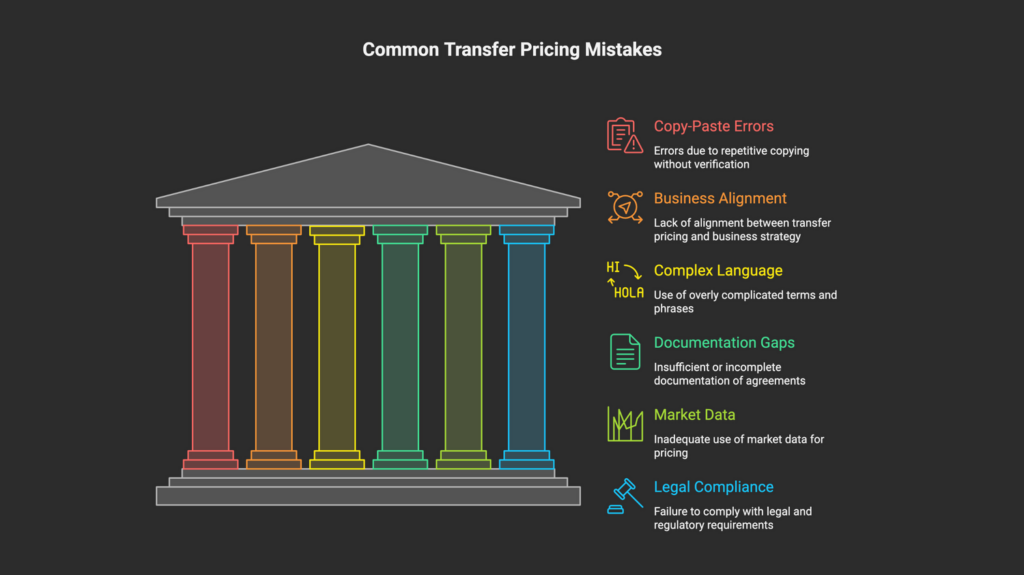
Top 6 Mistakes to Avoid While Drafting a Transfer Pricing Agreement:
1. Align ICA with Business Reality
Reality First: Stay close to the actual business transaction.
A draftsman often is so involved in perfecting the document from the drafting point of view that he forgets to keep the document as real as possible.
In transfer pricing, the functional analysis (FAR) is the first step and the ICA follows the FAR.
Care to be taken never to twist the equation.
Maintaining alignment between the functional analysis report and actual transactions ensures consistency in transfer pricing documentation.
2. Avoid Copy-Paste Errors That Cost You
Copy-paste blunders could pull you back in transfer pricing proceedings.
A single typo could make a ‘contract manufacturer’ a ‘manufacturer’ that could have far-reaching implications.
3. Why Experts Should Draft Your Transfer Pricing Agreements
If you as a business think that involving transfer pricing experts is expensive, there’s a bright possibility the tax audit or assessment could cost more.
Avoiding common documentation mistakes and involving professionals can help reduce audit risk.
Talk to a transfer pricing expert today. Save time and avoid costly audits.
4. Don’t Treat All Cost-Plus Agreements the Same
Not all cost plus arrangements are the same.
Every business offering in the value chain is different.
Recognize the value chain differences and apply a suitable pricing mechanism.
You can use “purpose of transfer pricing” here by tying it to pricing accuracy.
5. Know the Difference: Transfer Pricing Documentation vs ICA
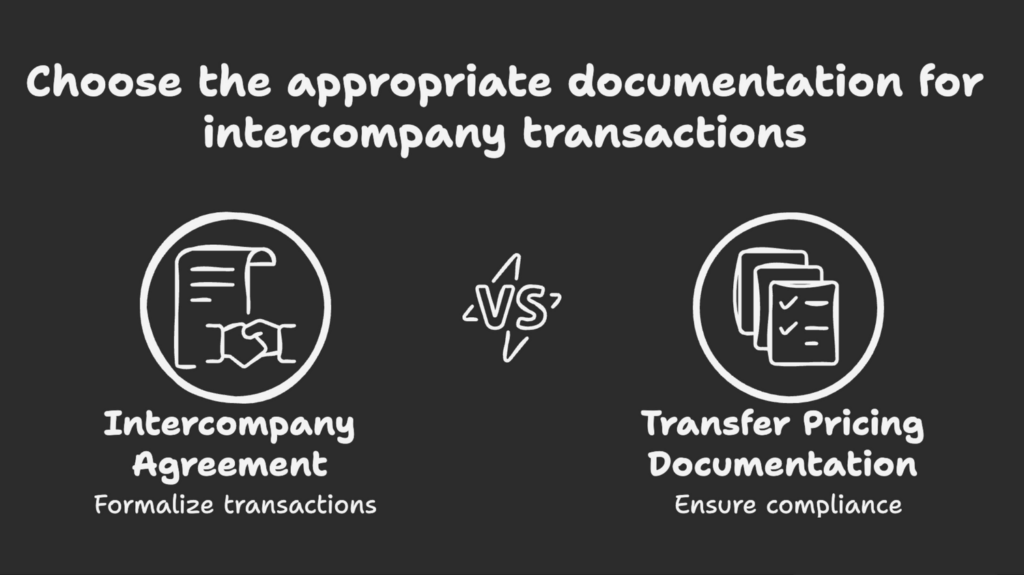
Transfer pricing documentation is different from a transfer pricing agreement.
Consistency across internal documentation, policy, and agreements strengthens compliance.
6. Keep Language Simple and Clear for Tax Audits
The users of the transfer pricing agreements are often tax authorities who prefer clarity over jargon.
Clarity in legal documentation supports a smoother audit defense strategy.
Final Thoughts: Drafting the Right Transfer Pricing Agreement
As harmful as it is to self-medicate, it’s just as risky to draft tax documents without guidance.
A transfer pricing specialist would help you align with your goals while managing compliance requirements, reducing pricing disputes, and ensuring documentation consistency.
Need a clear, audit-ready transfer pricing agreement?
FAQs:
1. What is a transfer pricing agreement in simple words?
A transfer pricing agreement is a written document between two related companies that sets the price for buying or selling goods, services, or IP across borders. It helps show the tax department that the deal is fair and follows the arm’s length principle.
2. Why is a transfer pricing agreement important for businesses?
It helps avoid tax disputes by showing that your intercompany transactions are priced fairly. It also makes tax audits easier and supports your global tax compliance strategy.
3. Is a transfer pricing agreement the same as transfer pricing documentation?
No. A transfer pricing agreement is a legal contract between two group companies. Transfer pricing documentation explains how the price was set. Both should match, but they serve different purposes.
4. What happens if I copy-paste a transfer pricing agreement sample?
Using a sample without editing it for your business can lead to copy-paste mistakes. One wrong word can change the deal type and increase your audit risk or tax penalty.
5. Do all cost-plus arrangements work the same way in transfer pricing?
No. Not every cost plus arrangement is the same. The markup depends on your business model, the value you offer, and your position in the value chain. One-size-fits-all doesn’t work here.
6. Who should draft your transfer pricing agreement?
Always work with a transfer pricing expert. They know how to align the agreement with the functional analysis report and avoid pricing errors that could hurt you during a tax assessment.