
When one talks of transfer pricing, the first thing that comes to mind is a transfer pricing study report or the documentation. For many, transfer pricing in income tax feels like just ticking boxes meeting compliance deadlines, filing reports but rarely is it used as a method for global tax planning or optimizing cross-border business decisions.
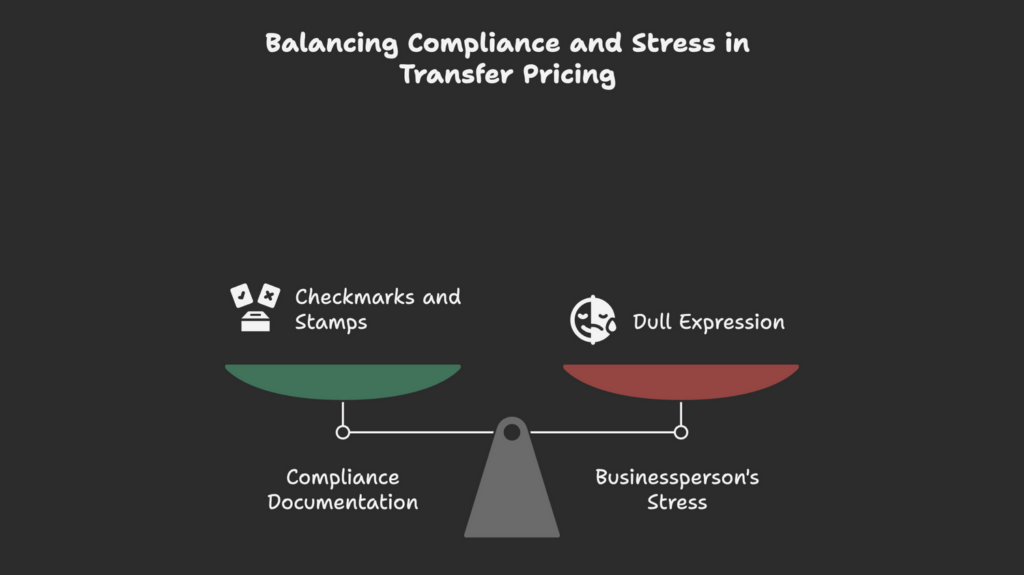
Try viewing transfer pricing as part of your wider international tax planning for global expansion, not just a post-facto burden
What Is Transfer Pricing and Why It’s Often Seen Only as Compliance
Tax compliance requires filing returns, following rules, and declaring earnings under strict regulations. This is true for direct taxes and even more so for transfer pricing documentation.Just like personal taxes, transfer pricing regulations demand paperwork that proves your intercompany transactions are done at arm’s length.
This is where most businesses stop focusing only on documentation instead of seeing the planning value.
Transfer Pricing Applicability Beyond Just Documentation
Think about how you plan a vacation you research, prepare, and book in advance. So why not apply the same principle to your business?
You’re managing subsidiaries, daily controlled transactions, logistics, and decision-making. Yet, pricing the core of transfer pricing applicability often gets overlooked.
Instead of reacting, plan your transfer prices in advance to align with your global tax strategy.
The Importance of Price Planning in Transfer Pricing
“Well begun is half done” applies here too. Plan your prices first before documentation or audits.
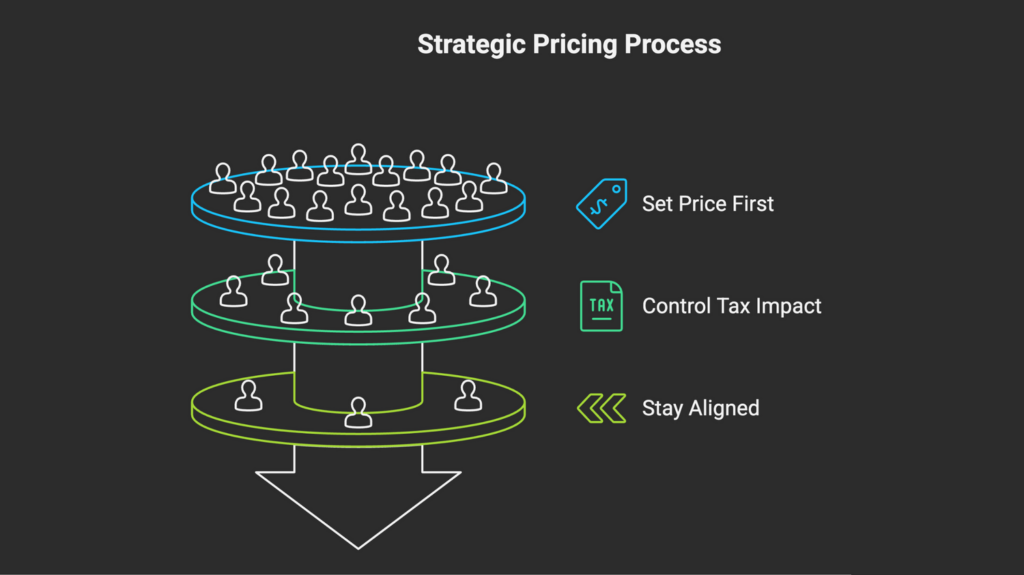
Set up a price-setting mechanism aligned with your group’s business model.
This approach strengthens your global business tax planning and makes pricing defendable.
Objectives of Transfer Pricing: Structure First, Document Later
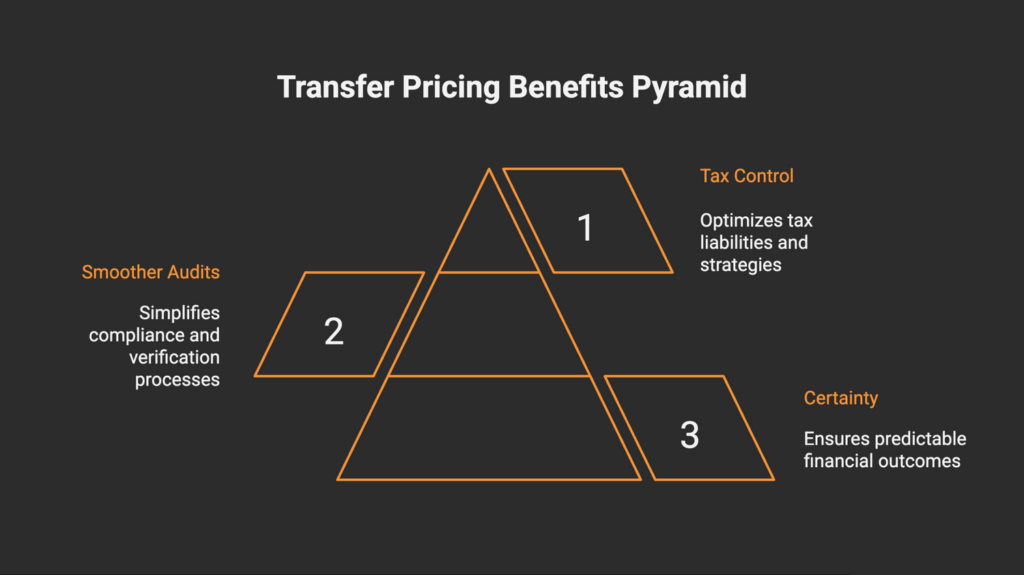
Let’s explore why it pays off to plan your transfer pricing early.
Brings Certainty During the Year
Testing prices after year-end is reactive. It adds uncertainty.
A quick transfer pricing analysis early on avoids surprises in audits and helps manage your effective tax rate.
Makes Transfer Pricing Audit Smoother
Tax officers understand your model better when they see intercompany agreements, internal pricing logic, and policies all part of a good plan.
Helps Control Your Effective Tax Rate
Planning your tax structure isn’t tax evasion. It’s legitimate global tax planning especially when managing IP, services, or financing between group entities.
This is where a global tax planning attorney or advisor can help map out safe, defendable frameworks.
Conclusion: Is Transfer Pricing a Compliance Task or a Global Tax Planning Tool?
Globally, transfer pricing is both a compliance must and a smart way to reduce taxes. The choice is yours.
You can just tick the box. Or, you can build a global tax planning framework that brings clarity, control, and savings.
Turn Paperwork Into a Winning Tax Plan
FAQs:
1. What is transfer pricing in income tax and why does it matter?
Transfer pricing in income tax refers to how companies set prices for transactions between their own group entities. It’s important because it affects tax liabilities and must follow the arm’s length principle to avoid penalties.
2. Is transfer pricing just about documentation?
No. While documentation is a compliance must, transfer pricing is also a smart planning tool. When used right, it helps manage your effective tax rate, especially for cross-border transactions.
3. What is the arm’s length price under the Income Tax Act?
The arm’s length price is the fair value charged in a transaction between unrelated parties. Companies must use this as a benchmark to set prices for their intercompany transactions.
4. What are the different types of transfer pricing methods?
Common methods include Comparable Uncontrolled Price (CUP), Resale Price, Cost Plus, Profit Split, and Transactional Net Margin Method (TNMM). These help ensure your transfer pricing stays fair and within tax rules.
5. How can I reduce audit risks with transfer pricing?
You can reduce transfer pricing audit risks by planning ahead, creating solid pricing policies, and keeping clear documentation like intercompany agreements, pricing logic, and risk analyses.
6. When is transfer pricing applicable under Indian tax laws?
Transfer pricing regulations apply when Indian businesses engage in transactions with related parties across borders. They also apply under domestic transfer pricing for certain specified domestic transactions.