A multinational group is a family of group entities working together in a globalised economy. Group entities that thrive on the same values and vision across the globe. Such a multinational group undertakes business in various tax jurisdictions either as a profit centre or as a cost centre/back office support for the group, The document that keeps the transactions and activities of such a multinational group together (ICA) or Transfer Pricing Agreement (TPA).
Such a document could be considered as an eye for the dealings undertaken by the group within its member companies.
These intercompany transactions are foundational for transfer pricing compliance and are documented through ICAs, supporting arm’s length pricing standards.
Let us understand certain basic aspects of the ICA.
What Is a Transfer Pricing Agreement?
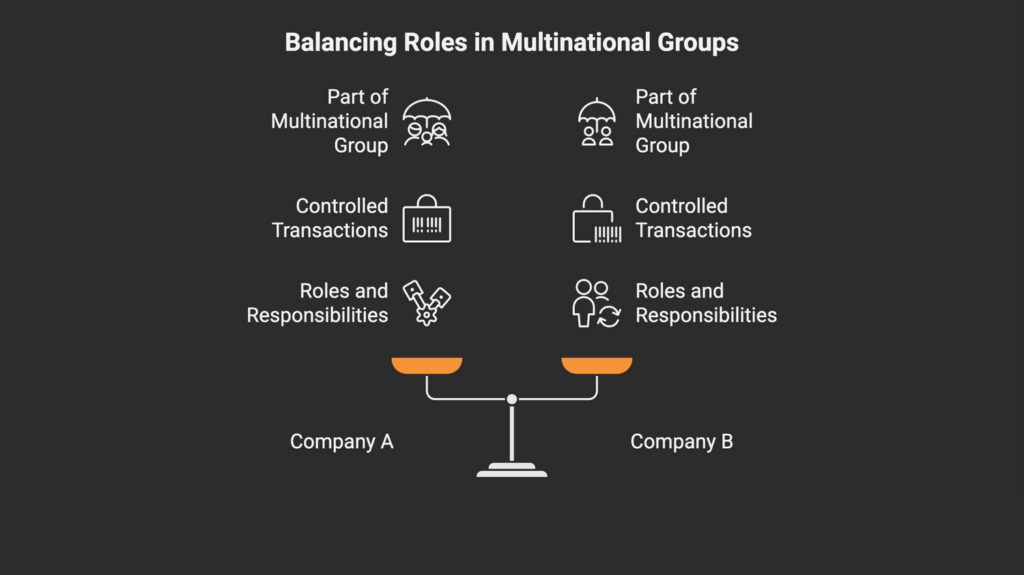
ICA is a document entered between two related enterprises associated enterprises that are the members of the same multinational group.
As the agreements are entered between the group companies, they are different from strict third-party legal agreements.
A third-party agreement captures the negotiations between two independent parties, while an ICA captures the way of doing business between two related enterprises.
There is seldom a full-fledged negotiation process as it takes place in independent scenarios.
An ICA assigns roles and responsibilities to each party and is essential for a proper comparability exercise in transfer pricing.
These controlled transactions must align with the arm’s length price to avoid audit risk.
Without ICA,transfer pricing analysis becomes superficial.
Types of Transfer Pricing Agreements
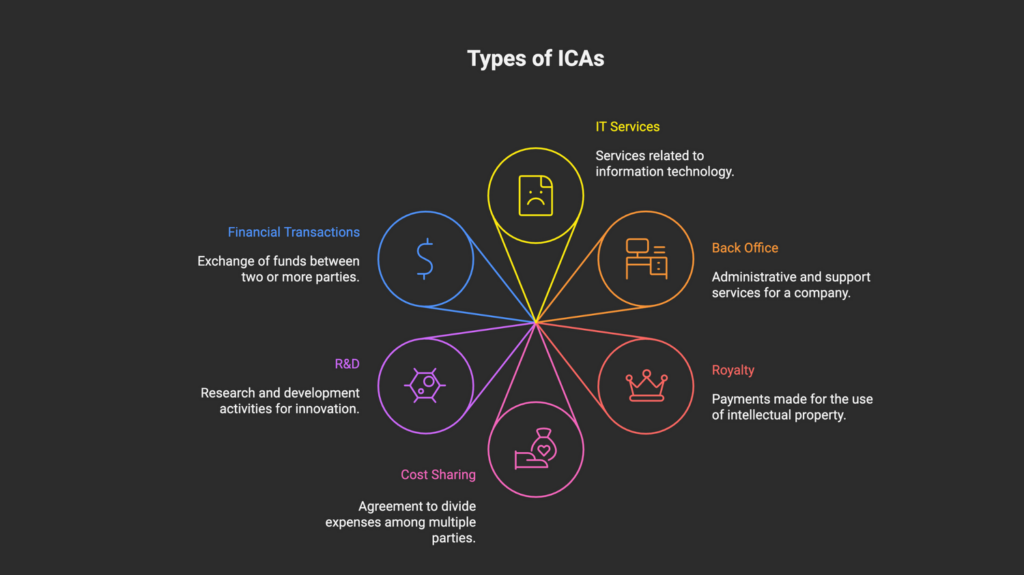
Some examples of ICA include:
- IT Enabled Services / IT development
- Back Office Support services
- Contract Manufacturing Agreements
- Cost Contribution Agreements
- Royalty Agreements
- Distributorship Agreements
- R&D Service Agreements
- Sale/Purchase of Goods and Services
- Financial Transactions like Loans, Guarantees, etc
These ICAs also include variations like cost sharing transfer pricing agreements that handle multi-entity contributions to shared assets or functions.
Key Elements of a Transfer Pricing Agreement
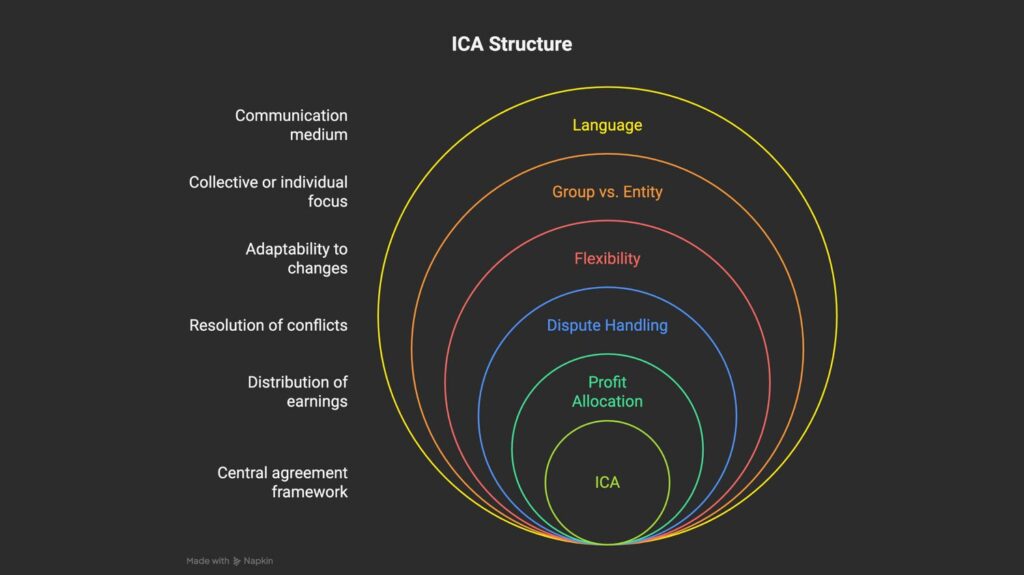
ICAs are commercial agreements and differ from general legal agreements.
1. Simple Language and Group-Aligned Structure
The language of the ICA is free-flowing and avoids jargon. It focuses on allocation of roles and responsibilities.
The clarity in language ensures easier benchmarking during transfer pricing reviews.
2. Focus on Multinational Group Over Entity
While legal contracts follow an entity approach, ICAs use a group approach, prioritizing overall value creation.
3. Flexibility in Transfer Pricing Methods
ICAs allow flexibility in pricing models, the agreement may reference different transfer pricing methods, including CUP, TNMM, or cost-plus methods.
4. Low Risk of Disputes
Disputes are rare, though clauses are included for resolution, CA-based frameworks can prevent disputes when properly aligned with transfer pricing study findings.
5. Functional Analysis and Profit Allocation
ICAs cover functional analysis, risk profiles, and expected profit allocation along the value chain, This approach ties directly to achieving arm’s length outcomes across jurisdictions.
Cost Sharing in Transfer Pricing Agreements
As an ICA is not a legal contract, a transfer pricing advisor is best equipped to draft one.
Poorly defined cost sharing agreements can lead to tax audit disputes or adjustment exposure.
Get a Compliant, Audit-Ready ICA Fast.
Faqs:
1. What is a transfer pricing agreement in simple terms?
A transfer pricing agreement (TPA) or inter corporate agreement (ICA) is a document between related companies in a multinational group. It sets rules for how they work with each other, especially when doing business across countries. It helps ensure that pricing follows tax rules and stays fair.
2. Why is a cost sharing transfer pricing agreement important?
Cost sharing agreements help companies share the cost of services, R&D, or assets used by more than one group entity. These agreements support fair profit allocation and reduce tax risks in cross-border transactions.
3. What are the key elements of a transfer pricing agreement?
A solid transfer pricing agreement includes clear language, roles and responsibilities, profit allocation terms, and dispute handling clauses. It also references transfer pricing methods like CUP or cost-plus where needed.
4. How does a transfer pricing agreement help during a tax audit?
An ICA or TPA gives clear documentation of how related companies work together. It supports the arm’s length price and helps avoid adjustments during tax audits by showing that the pricing is fair and documented.
5. What are some examples of intercompany agreements under transfer pricing?
Common ICA types include back office support agreements, IT services, contract manufacturing, royalty agreements, and cost contribution agreements. These help document controlled transactions within a group.
6. Who should draft a transfer pricing agreement?
A qualified transfer pricing advisor is best suited to prepare ICAs. They know how to structure agreements that meet tax laws, reduce audit risks, and fit the business model of the group.